
Why Third-Party Quality Control is Essential for Businesses Sourcing from Portugal
Portugal has established itself as a major player in a variety of manufacturing industries, with a reputation for high-quality production, skilled labor, and adherence to international standards. Many global companies source products from Portugal in industries such as textiles, footwear, furniture, ceramics, and automotive components. Importers continue to prioritize product quality and regulatory compliance.
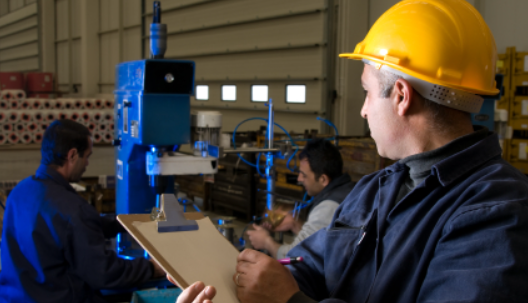
Third-Party Quality Control Checking Service
This article explores the role of third-party quality control (QC) in Portugal, including independent inspection services, common quality challenges, and best practices for selecting a reliable inspection provider.
Types of Businesses Sourcing from Portugal:
Textile & Fashion Industry
- Apparel Manufacturing – High-quality clothing production for global brands.
- Footwear Industry – Leather shoes, sneakers, and sustainable footwear.
- Home Textiles – Bed linens, towels, and upholstery fabrics.
- Leather Goods – Handbags, belts, and accessories made from premium leather.
Furniture & Wood Industry
- Luxury Furniture – Custom-made and high-end furniture for homes and hotels.
- Office & Commercial Furniture – Ergonomic chairs, desks, and modular setups.
- Wooden Flooring & Panels – Sustainable and high-quality wood products.
- Outdoor & Garden Furniture – Weather-resistant and stylish designs.
Automotive & Aerospace Industry
- Automotive Components – Engine parts, interiors, and plastic moldings.
- Aerospace Parts – Lightweight composites and precision-machined components.
- Electric Vehicle Components – Battery casings and lightweight vehicle parts.
- Industrial Machinery – Precision engineering and metal fabrication.
Food & Beverage Industry
- Wine & Olive Oil – Premium Portuguese wines and extra virgin olive oils.
- Dairy & Cheese – Specialty cheeses and dairy products for export.
- Seafood & Processed Foods – Fresh and frozen seafood, canned goods.
- Organic & Specialty Foods – Gourmet and health-conscious food products.
Technology & Electronics
- Consumer Electronics – Smartphones, home appliances, and smart gadgets.
- Electrical Equipment – Cables, circuit boards, and industrial electronics.
- IT & Software Development – Tech startups and software outsourcing.
- Renewable Energy Solutions – Solar panels, wind turbines, and energy storage systems.
Construction & Infrastructure
- Ceramic & Tiles – High-quality tiles for commercial and residential projects.
- Building Materials – Cement, glass, and insulation products.
- Metal & Steel Fabrication – Structural steel, gates, and decorative metalwork.
- Smart Building Solutions – IoT-enabled automation and energy-efficient designs.
Key Industries in Portugal Requiring Quality Control
Several industries in Portugal depend on stringent quality control measures to meet international demand. Some of the leading sectors benefiting from third-party inspection services include:

Portugal Third-Party Quality Control and Assurance
- Textiles and Apparel – Known for high-end fashion, sustainable fabrics, and technical textiles, Portugal exports garments worldwide.
- Footwear Industry – A hub for premium leather and eco-friendly footwear production.
- Furniture and Home Décor – Specializing in wooden, upholstered, and bespoke furniture exports.
- Ceramics and Glassware – A leader in decorative ceramics, tiles, and glass manufacturing.
- Automotive Components – Supplying precision-engineered parts to European automakers.
- Industrial Machinery and Equipment – Producing high-quality machinery and metal components.
- Agricultural and Food Products – Exporting processed foods, olive oil, wine, and seafood.
These industries rely on rigorous quality checks to ensure compliance with market standards and customer expectations.
The Role of Third-Party Quality Control in Portugal
Quality control ensures that products meet agreed-upon specifications before being shipped to customers. Independent third-party inspection services provide an unbiased assessment of products, reducing the risk of defects, shipment delays, and regulatory noncompliance.
Pre-Production Quality Control
- Supplier Audits & Factory Evaluation: Before production begins, businesses must verify that factories meet quality, ethical, and environmental standards.
- Raw Material Inspection: Ensuring raw materials conform to specifications before mass production prevents costly issues later.
- Sample Approval & Prototyping: Reviewing prototypes and pre-production samples helps prevent inconsistencies in final output.

Third-Party Quality Control Service
In-Process Quality Control (IPQC)
- Production Monitoring: Inspecting work-in-progress products to detect and correct defects at an early stage.
- Workmanship and Compliance Checks: Verifying adherence to technical specifications, stitching quality (in textiles), material integrity (in furniture), and structural stability (in automotive parts).
- Process Audits: Ensuring that manufacturing methods align with ISO 9001 and other quality management systems.
Final Product Inspections
- Pre-Shipment Inspection (PSI): Before shipping, third-party inspectors conduct random sampling (AQL methodology) to confirm that goods meet quality requirements.
- Labeling & Packaging Compliance: Ensuring products meet EU, US, and other market-specific regulations regarding labeling, barcoding, and packaging.
- Defect Sorting & Rework Supervision: Identifying and segregating defective products to prevent non-compliant shipments.
Common Quality Issues and Prevention Strategies
Some of the most frequent quality concerns businesses face when sourcing from Portugal include:
- Material Inconsistencies: Variation in textiles, wood, or metal quality due to supplier changes.
- Defective Workmanship: Loose stitching in garments, uneven finishes in ceramics, or assembly flaws in machinery.
- Non-Compliance with Safety Regulations: Products failing to meet CE Marking, REACH, or CPSIA standards.
- Packaging and Labeling Errors: Incorrect branding, missing safety labels, or improper packing materials.

Third-Party Quality Control and Assurance Service
How to Prevent These Issues:
- Conduct regular third-party inspections at different production stages.
- Implement factory audits to assess supplier capabilities and compliance.
- Require standardized testing for materials and finished products.
- Utilize data-driven quality management systems to monitor supplier performance.
Product Testing, Certifications, and Compliance Standards
Portuguese manufacturers must comply with various international standards depending on the industry and export destination. Some key regulations include:

Third-Party Construction Materials Quality Checking Service
- ISO 9001 (Quality Management Systems) – Ensures systematic quality control across industries.
- CE Marking (EU Compliance) – Mandatory for most products exported within the EU.
- REACH (Chemical Safety Regulation) – Governs textile, footwear, and consumer product safety.
- ASTM & ANSI (US Standards) – Essential for products entering the North American market.
- OEKO-TEX & GOTS (Textile & Apparel Certifications) – Certifies sustainable and non-toxic textiles.
- BRC & IFS (Food Safety Certifications) – Required for food and agricultural product exports.
Laboratory testing is a crucial component of ensuring compliance with these regulations. Products are verified by independent testing agencies using chemical analysis, mechanical strength tests, and environmental resistance evaluations.
Choosing a Reliable Third-Party Inspection Provider in Portugal
When selecting an independent quality control partner, businesses should consider the following factors:
- Experience & Industry Expertise: Look for providers with a proven track record in your specific industry.
- Accreditation & Certifications: Ensure the inspection company is ISO 17020 certified for impartial assessments.
- Range of Services: Choose a provider offering factory audits, in-process monitoring, pre-shipment inspections, and lab testing.
- Local Presence & Network: Inspectors should have a strong local presence in Portugal’s key manufacturing hubs.
- Transparency & Reporting: Reliable providers offer detailed reports, including photos, defect analysis, and compliance assessments.

Third-Party Exported Products Quality Control Checking Service
For businesses sourcing from Portugal, third-party quality control is essential to ensure products meet international standards, reduce risks, and improve supplier accountability. Independent inspections, factory audits, and lab testing help businesses avoid costly defects, compliance issues, and supply chain disruptions.
By partnering with a reputable inspection provider, companies can enhance product reliability, maintain customer trust, and optimize sourcing efficiency.
Need expert third-party quality control services in Portugal? Contact us today for a consultation!
Related Blog Posts






GET READY TO SECURE YOUR SUPPLY CHAIN
Get valuable advices, tips, recommendations from our quality management experts and inspection specialists
CONTACT US NOW ! Feel the form below.
