
Quality Control in Portugal’s Textile and Apparel Industry: Challenges and Best Practices
Portugal has established itself as a significant textile and garment manufacturing center, noted for high-quality production, innovative textiles, and environmentally friendly procedures. The country exports a diverse range of textile items to international markets, including fashion clothes, technical textiles, and eco-friendly fabrics. Maintaining product quality and conformity with international standards is crucial for Portuguese manufacturers’ reputation and competitiveness.
This article explores the importance of Portugal textile industry quality control, common defects in fabric and apparel, and best practices for inspection, vendor audits, and lab testing.

Portugal Textile Industry Quality Control Service
Types of Textile and Apparel Manufactured in Portugal:
-
Knitwear
- Premium sweaters, cardigans, and knitted garments.
- Expertise in circular and flat knitting techniques.
- Use of high-quality wool, cotton, and blended materials.
- Preferred by luxury and eco-conscious brands.
Premium Denim
- High-quality jeans, jackets, and denim garments.
- Advanced dyeing and finishing techniques.
- Focus on sustainability, reducing water usage and chemical waste.
Sustainable Activewear
- Performance-focused sportswear and fitness apparel.
- Use of recycled polyester, organic cotton, and technical fabrics.
- Specialized machinery for high-stretch and moisture-wicking garments.
-
Luxury and High-End Apparel
- Tailored suits, dresses, and coats for designer fashion houses.
- Skilled artisans ensuring precise craftsmanship.
- Small production runs catering to exclusivity in luxury fashion.
Home Textiles
- High-thread-count sheets, duvet covers, and pillowcases.
- Egyptian cotton and linen bedding collections.
- Renowned bath towels, known for softness and durability.
-
Technical Textiles
- Stretch fabrics and performance textiles for various applications.
- Specialized fabrics for automotive, aerospace, and industrial use.
- Investment in cutting-edge textile technologies.
Traditional Textiles
- Linen sheets and towels from Guimarães.
- Wool blankets from Serra da Estrela.
- Handmade Arraiolos carpets and Alcobaça chita fabrics.
- Rich cultural heritage and traditional craftsmanship.
Key Textile and Apparel Manufacturing Regions in Portugal
Several cities and regions in Portugal are recognized for their textile and apparel production, each specializing in different product categories:
- Guimarães – Known for high-end home textiles, luxury bedding, and quality apparel manufacturing.
- Braga – A hub for technical textiles and sustainable fabric production.
- Porto & Vila Nova de Famalicão – Key regions for knitwear, denim, and export-oriented fashion production.
- Barcelos – Specializes in premium fashion, custom-made clothing, and eco-friendly textiles.
- Covilhã – A historic center for wool production and technical outerwear manufacturing.
With such a diverse textile industry, maintaining strict quality control measures is essential to ensuring product consistency and regulatory compliance.
Quality Control (QC) and Inspection in Portuguese Textile Manufacturing
In the textile production process, quality control is essential because it helps manufacturers identify flaws, guarantee product consistency, and adhere to export regulations. Portuguese manufacturers implement multiple QC measures throughout the production cycle:
Pre-Production Quality Assurance
- Material Inspection: Fabrics undergo tests for colorfastness, tensile strength, shrinkage, and durability before production begins.
- Supplier Audits: Manufacturers evaluate factories for compliance with ISO 9001, OEKO-TEX, and GOTS (Global Organic Textile Standard).
- Prototype Review: Initial garment samples are assessed for design accuracy and quality before mass production.
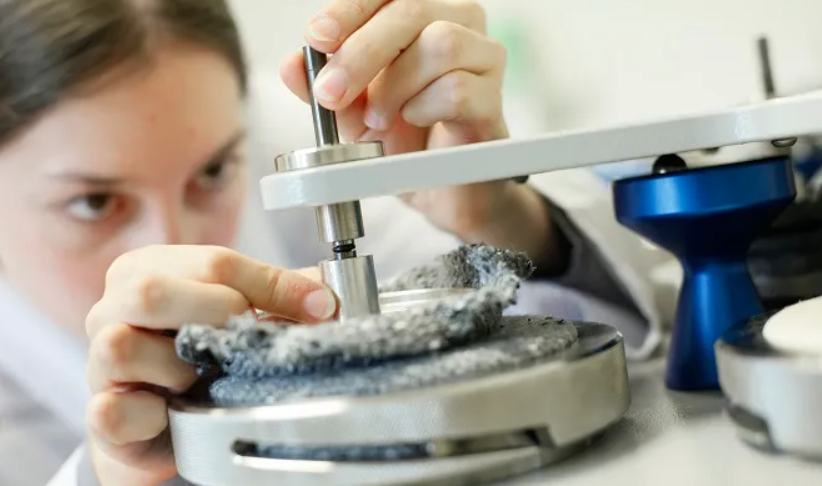
Portugal Textile Quality Assurance Service
In-Process Quality Control (IPQC)
- Inline Inspections: Factory inspectors monitor stitching, finishing, and fabric defects during production.
- Workmanship Checks: Garments are assessed for seam strength, fabric flaws, and overall construction.
- Process Compliance: Manufacturers follow strict guidelines to maintain consistency in dyeing, weaving, and finishing processes.
Final Product Inspections and Compliance Checks
- Pre-Shipment Inspections (PSI): AQL (Acceptance Quality Limit) sampling is used to evaluate finished products before export.
- Packaging & Labeling Verification: Ensuring compliance with EU, US, and international market requirements.
- Regulatory Testing: Compliance with REACH, CPSIA, and other international textile safety standards.
Common Quality Defects in Textile and Apparel Production
Despite rigorous quality control processes, certain defects can still occur in textile and garment manufacturing. Some of the most common issues include:
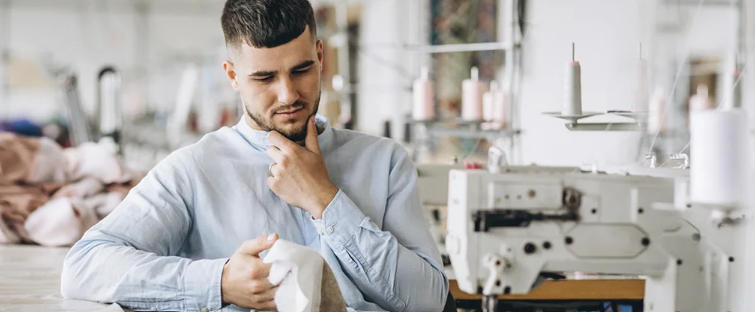
Portugal Textile Product Quality Inspection
- Fabric Defects: Uneven dyeing, pilling, holes, and loose weaves.
- Seam and Stitching Issues: Uneven stitching, open seams, skipped stitches, and puckering.
- Sizing and Fit Inconsistencies: Measurement discrepancies and incorrect pattern grading.
- Shrinkage and Distortion: Fabric shrinkage or shape distortion due to improper washing or processing.
- Labeling and Packaging Errors: Incorrect tags, care labels, and non-compliant packaging materials.
Implementing strict inspection procedures at every stage of production helps reduce these defects and maintain high-quality standards.
Sustainability and Ethical Standards in Portuguese Textile Manufacturing
Portugal’s textile industry has embraced sustainability and ethical production to meet the growing demand for eco-friendly fashion. Several international standards govern sustainable textile manufacturing:

Portugal Textile Industry QA&QC Service
- OEKO-TEX Standard 100 – Ensures textiles are free from harmful chemicals.
- Global Organic Textile Standard (GOTS) – Certifies organic fabrics and sustainable production practices.
- Fair Trade Certification – Promotes ethical labor conditions and fair wages.
- Recycled and Circular Economy Textiles – Increasing use of recycled polyester and closed-loop production models.
By adhering to these standards, Portuguese textile manufacturers can enhance their global competitiveness while meeting consumer demand for sustainable products.
Choosing a Reliable Quality Inspection and Testing Provider in Portugal
For brands and retailers sourcing textiles from Portugal, partnering with a reliable third-party inspection service ensures product quality and compliance. When selecting a QC provider, consider:
- Accreditation and Expertise: Choose an inspection firm with experience in textiles and international standards.
- Comprehensive Services: Ensure the provider offers pre-production, in-process, and pre-shipment inspections.
- Laboratory Testing Capabilities: Verify that they conduct chemical, mechanical, and performance testing for textiles.
- Reputation and Reliability: Work with a well-established company with positive client feedback and a strong track record.
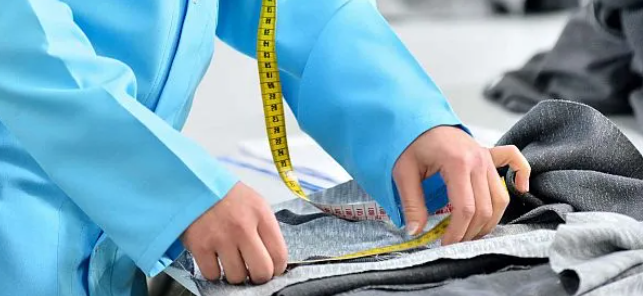
Portugal Textile Industry Quality Checking Service
By investing in quality assurance and independent inspections, businesses can minimize risks, reduce returns, and maintain a strong reputation in global textile markets.
Portugal’s dedication to sustainability, innovation, and quality has allowed its textile and garment sector to flourish. Manufacturers may make sure that their exported goods satisfy the demands of the global market by implementing strict quality control procedures, conducting factory audits, and adhering to international standards. Portuguese textile companies may continue to be leaders in the manufacturing of excellent apparel by putting the latest techniques in quality assurance into practice and collaborating with reliable inspection services.
For expert guidance on textile quality control and inspection services in Portugal, contact us today to ensure your products meet the highest international standards.
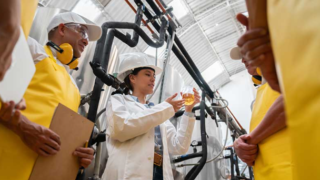

Related Services
GET READY TO SECURE YOUR SUPPLY CHAIN
Get valuable advices, tips, recommendations from our quality management experts and inspection specialists
CONTACT US NOW ! Feel the form below.
