
Quality Assurance and Quality Control in Portugal’s Food and Beverage Industry
Portugal has a well-developed food and beverage industry, known for its high-quality products, including wine, olive oil, seafood, and dairy. Ensuring product safety and compliance with national and international standards is crucial for both domestic consumption and exports. Quality Portugal’s food and beverage industry quality control sector is governed by strict regulatory frameworks, industry best practices, and third-party certification schemes.

Portugal’s Food and Beverage Industry Quality Control
Types of Food and Beverage Exports from Portugal:
-
Wine
- Port Wine – A fortified wine from the Douro Valley, internationally acclaimed for its rich flavors.
- Vinho Verde – A young, slightly effervescent wine from the Minho region, known for its crisp and refreshing taste.
- Red and White Wines – Portugal produces a variety of high-quality red and white wines from regions like Alentejo, Dão, and Bairrada.
Olive Oil
- Extra Virgin Olive Oil – Portugal ranks among the world’s top olive oil producers, exporting premium extra virgin olive oil characterized by its robust flavor and low acidity.
Seafood
- Canned Fish – Portugal’s canned sardines, mackerel, and tuna are renowned for their quality and flavor.
- Fresh and Frozen Fish – The country exports various fresh and frozen fish, including cod (bacalhau), a staple in Portuguese cuisine.
-
Pastry and Confectionery
- Pastéis de Nata – These traditional custard tarts have gained international popularity and are exported to various countries.
- Confectionery – Portugal produces and exports a range of sweets, including almond-based treats and chocolates.
Beverages
- Beer – Brands like Super Bock are popular both domestically and internationally, with exports reaching markets in Europe, Africa, and the Americas.
- Mineral Water – Portugal exports mineral water brands known for their purity and taste.
-
Fruits and Vegetables
- Tomatoes – Portugal is a significant exporter of processed tomato products, including tomato paste and canned tomatoes.
- Citrus Fruits – Oranges and lemons from Portugal are appreciated for their quality and flavor.
Baked Goods and Cereals
- Bread and Pastries – Traditional Portuguese breads and pastries are exported to communities worldwide.
- Breakfast Cereals and Pasta – Companies produce and export a variety of cereal products and pasta under well-known brands.
Key Regions for Portugal’s Exported Food and Beverage Industries
Portugal has a strong food and beverage export sector, with key industries including wine, olive oil, seafood, dairy, processed foods, and beverages. The country’s geographical diversity allows for a wide range of agricultural and food production activities. Below are the main regions where exported food and beverage industries are concentrated:
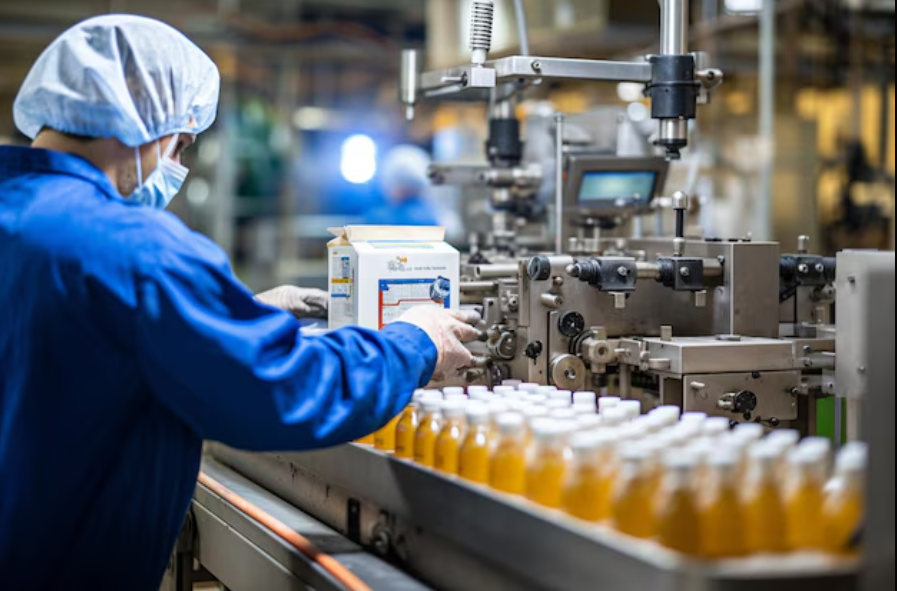
Portugal Beverage Industry Quality Inspection
Northern Portugal (Norte Region)
This region is a major hub for wine production, dairy products, and processed foods.
- Douro Valley – Renowned for Port wine and other high-quality wines, with vineyards along the Douro River.
- Minho (Vinho Verde Region) – Famous for Vinho Verde, a young, slightly sparkling white wine.
- Porto and Braga – Centers for food processing, including canned fish, dairy products, and bakery goods.
Key Exports:
- Wine (Port wine, Vinho Verde)
- Canned fish (sardines, tuna, mackerel)
- Dairy products (cheese, milk)
- Processed foods
Central Portugal
This region is known for its agricultural production, dairy farming, and specialty food products.
- Beira Litoral – Important for dairy production, particularly cheese.
- Bairrada – Recognized for sparkling wine and roast piglet (Leitão da Bairrada).
- Aveiro – Major hub for sea salt and seafood processing.
Key Exports:
- Dairy products (Queijo da Serra cheese)
- Sparkling wines
- Processed seafood
- Olive oil
Lisbon and Tagus Valley
Lisbon and its surrounding areas are significant for food and beverage exports due to the presence of major processing industries and port infrastructure.
- Lisbon – A key center for food processing, including coffee, pastries, and alcoholic beverages.
- Setúbal – Famous for Moscatel de Setúbal wine and seafood industries.
- Ribatejo – Known for olive oil and livestock farming.
Key Exports:
- Wine (Moscatel, regional reds and whites)
- Olive oil
- Coffee and processed foods
- Seafood (clams, cuttlefish, and other shellfish)
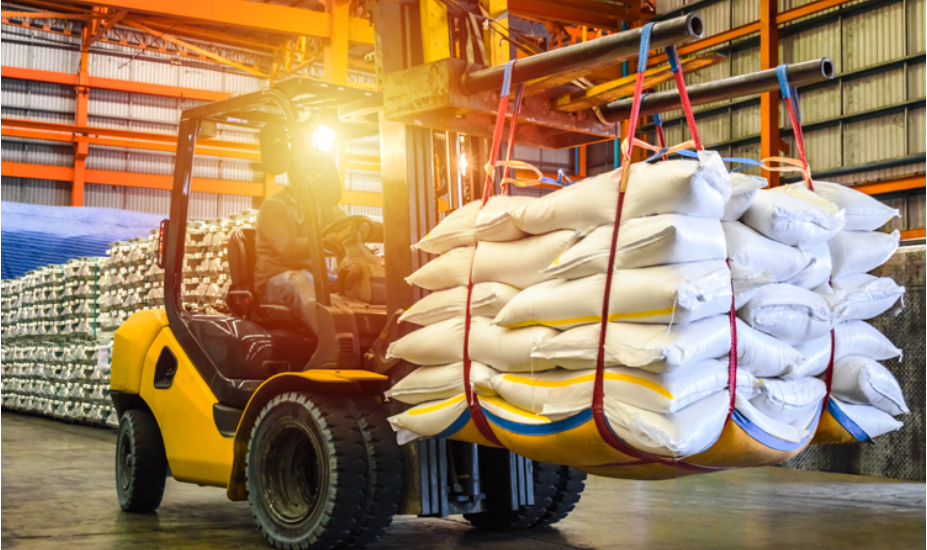
Portugal’s Exported Food Industry Quality Control Service
Alentejo
Alentejo is a leading region for wine, olive oil, and cork production, with vast agricultural lands.
- Évora and Beja – Produce high-quality olive oil and wheat-based products.
- Alentejo Wine Region – Increasingly known for full-bodied red wines.
Key Exports:
- Olive oil (high-end, extra virgin)
- Wine (Alentejo reds and whites)
- Cork (used for wine bottle stoppers and packaging)
- Cereal-based products
Algarve
The Algarve region specializes in seafood and citrus fruit production.
- Faro and Olhão – Key centers for canned seafood production, especially sardines and tuna.
- Silves and Lagoa – Notable for citrus fruit farming.
Key Exports:
- Seafood (fresh and canned)
- Citrus fruits (oranges, lemons)
- Traditional regional liqueurs
Madeira and Azores
These islands contribute unique products to Portugal’s food exports.
- Azores – Known for dairy production, especially cheese and butter, and tuna fishing.
- Madeira – Produces Madeira wine and exotic fruits such as passion fruit and bananas.
Key Exports:
- Dairy products (butter, cheese)
- Madeira wine
- Fresh and canned tuna
- Exotic fruits
Portugal’s exported food and beverage industries are strategically distributed across the country, with each region specializing in distinct products based on local agricultural and industrial strengths. Northern Portugal dominates wine and canned seafood exports, while the Alentejo and Ribatejo regions lead in olive oil production. Lisbon serves as a major processing and export hub, and the islands of Madeira and the Azores contribute unique dairy and seafood products to international markets.
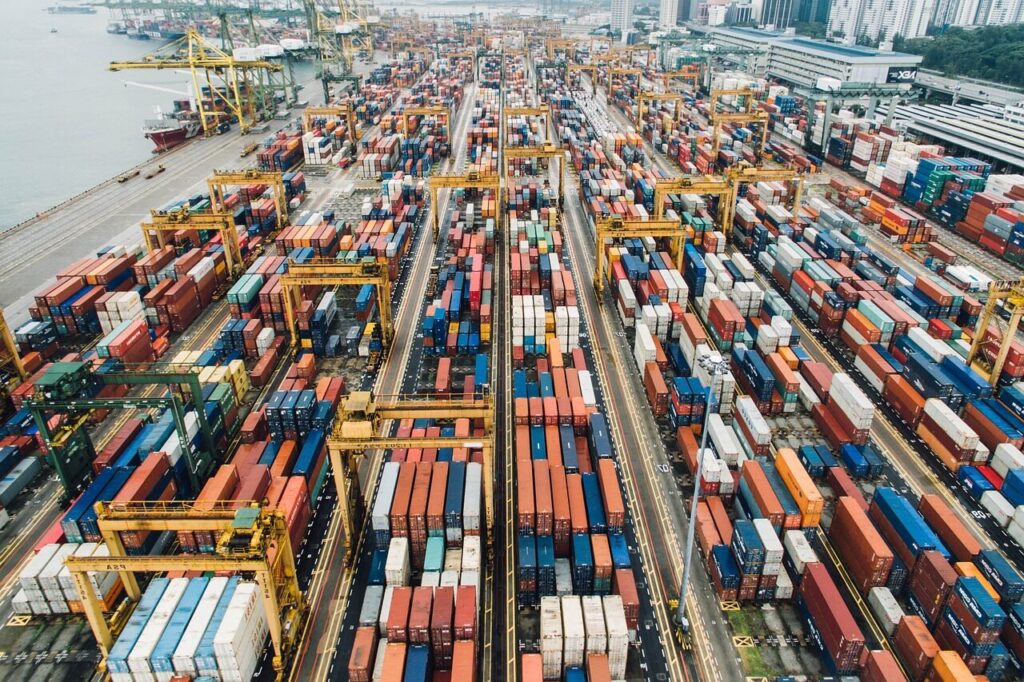
Exported Food and Beverage Industry Quality Control Assurance
Regulatory Framework for Food Safety and Quality in Portugal
The Portuguese food industry operates under both national and EU legislation. The key regulatory bodies and frameworks include:
- European Food Safety Authority (EFSA) – Establishes food safety regulations across EU member states, including Portugal.
- Autoridade de Segurança Alimentar e Económica (ASAE) – Portugal’s Food and Economic Safety Authority responsible for enforcing food safety laws.
- HACCP (Hazard Analysis and Critical Control Points) – Mandatory for all food businesses under EU Regulation (EC) No 852/2004.
- ISO 22000 – International standard for food safety management systems, commonly adopted by Portuguese food manufacturers.
- BRCGS (British Retail Consortium Global Standards) and IFS (International Featured Standards) – Many Portuguese food producers obtain these certifications to meet export market requirements.
Quality Assurance in Portugal’s Food and Beverage Sector
Quality Assurance (QA) focuses on preventing defects and ensuring food safety through systematic management processes. Key aspects include:
- Supplier Audits – Portuguese manufacturers conduct supplier audits to ensure raw material quality and compliance with safety standards.
- Good Manufacturing Practices (GMP) – Companies adhere to GMP guidelines to maintain hygiene, prevent contamination, and ensure consistency in production.
- Food Safety Management Systems (FSMS) – Many businesses implement FSMS based on ISO 22000 or FSSC 22000 to maintain quality at every production stage.
- Traceability Systems – Digital traceability solutions (e.g., blockchain, ERP systems) are increasingly used to track products from raw materials to final distribution.
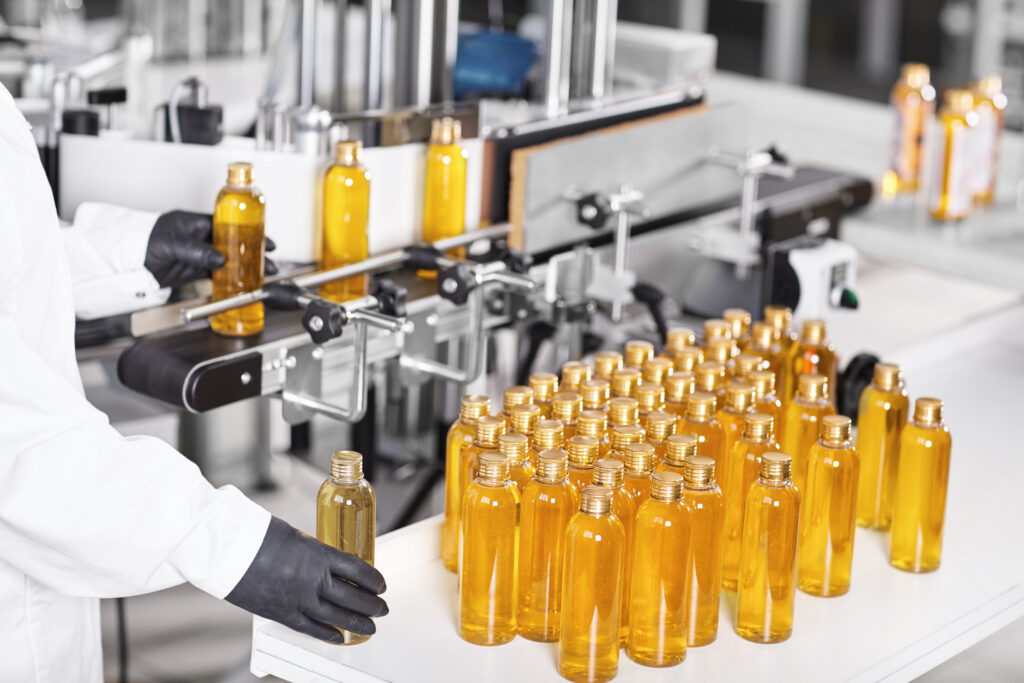
Inspecting Quality Control of Food and Beverage Industry in Portugal
Quality Control in Portugal’s Food and Beverage Industry
Quality Control (QC) involves testing and inspecting food products to verify compliance with quality and safety standards. Common QC practices in Portugal’s food industry include:
- Microbiological Testing – Ensures products are free from harmful bacteria such as Salmonella, Listeria, and E. coli.
- Chemical Analysis – Checks for contaminants like heavy metals, pesticide residues, and mycotoxins.
- Sensory Evaluation – Important for wine, olive oil, and other products where taste, aroma, and texture impact quality.
- Shelf-Life Testing – Determines the stability of food products over time under various storage conditions.
- Packaging Integrity Testing – Ensures packaging materials protect against contamination and preserve product freshness.
Challenges in Food Quality and Safety in Portugal
Despite Portugal’s strong regulatory framework, challenges remain in ensuring consistent quality and safety:
- Compliance with Export Requirements – Meeting strict regulations in key markets like the EU, US, and China requires rigorous testing and documentation.
- Fraud and Adulteration Risks – High-value products like olive oil and wine are susceptible to fraud, necessitating advanced testing methods.
- Sustainability Pressures – Increasing demand for environmentally friendly and organic products requires additional certifications and compliance measures.
- Technological Integration – Adoption of digital traceability and AI-based quality monitoring is still developing in some sectors.
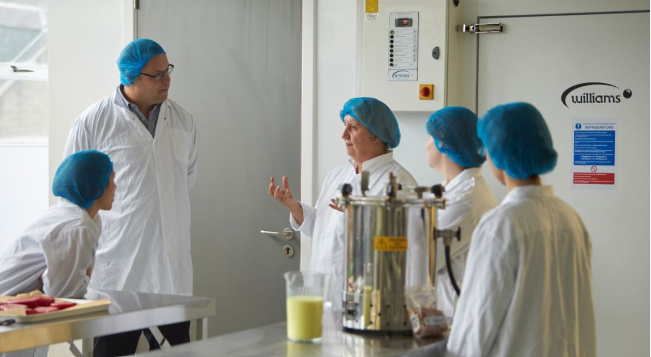
Portugal’s Food and Beverage Industry Quality Control
Portugal’s food and beverage industry places a strong emphasis on Quality Assurance and Quality Control through strict regulatory compliance, internationally recognized standards, and advanced testing procedures. However, evolving market demands and export challenges require continuous improvements in food safety management, traceability, and sustainability practices. Manufacturers investing in robust QA/QC processes will be better positioned to maintain consumer trust and access global markets.
Would you like insights on export trends or major companies involved in these industries?
Related Blog Posts
Related Services
GET READY TO SECURE YOUR SUPPLY CHAIN
Get valuable advices, tips, recommendations from our quality management experts and inspection specialists
CONTACT US NOW ! Feel the form below.
