
Portugal Manufactured Cork Parts Quality Assurance and Control
Portugal is the world’s leading producer of cork, accounting for nearly 50% of global production. With a well-established cork manufacturing industry, the country supplies high-quality cork components for various sectors, including wine, construction, automotive, and aerospace. Ensuring the quality of manufactured cork parts requires a robust framework of Quality Assurance (QA) and Quality Control (QC) to meet international standards and regulatory requirements.
Types of Cork Parts Portugal Manufactures:
Cork Products for Bottling & Packaging
Wine Corks: Portugal leads in the production of natural, agglomerated, and technical cork stoppers, supplying over 3 billion units annually for still wines.
Champagne & Sparkling Wine Corks: Specialized corks designed to withstand high pressure, ensuring the integrity of sparkling wines.
Liquor & Spirit Stoppers: Custom-designed stoppers tailored for premium liquor and spirit bottles.
Cork Seals & Caps: Utilized in the food, beverage, and cosmetic industries to provide airtight seals.
Cork Products for Construction & Insulation
Cork Insulation Panels: Thermal and soundproof panels suitable for walls, ceilings, and floors, leveraging cork’s natural insulating properties.
Cork Underlayment: Installed beneath flooring to reduce noise transmission and enhance insulation.
Expanded Cork Boards: 100% natural and eco-friendly boards used for insulation purposes.
Cork Granules & Sheets: Applied in acoustic barriers, wall coverings, and various industrial applications.
Cork Products for Furniture & Home Décor
Cork Flooring & Tiles: Stylish, durable, and eco-friendly flooring solutions.
Cork Wall Panels: Decorative panels that also offer sound-absorbing qualities.
Cork Tabletops & Countertops: Lightweight yet durable surfaces suitable for various furniture pieces.
Cork Handles & Knobs: Used in furniture, cabinets, and kitchen accessories for a unique aesthetic and feel.
Cork Products for Automotive & Aerospace Industries
Cork Gaskets & Seals: Employed in engines, fuel systems, and mechanical parts due to cork’s resilience and sealing capabilities.
Cork Soundproofing Panels: Reduce noise and vibration within vehicles.
Cork Composites for Aerospace: Utilized in spacecraft insulation and lightweight components, benefiting from cork’s thermal properties.
Cork Products for Footwear & Fashion
Cork Insoles: Offer comfort, breathability, and moisture resistance.
Cork Footbeds & Midsoles: Integrated into sandals, sneakers, and orthopedic shoes for enhanced comfort.
Cork Handbags & Wallets: Sustainable and stylish accessories serving as alternatives to leather.
Cork Belts & Watch Straps: Durable and vegan-friendly fashion items.
Cork Products for Sports & Leisure
Cork Yoga Mats & Blocks: Non-slip and eco-friendly equipment for yoga practitioners.
Cork Surfboards & Grips: Lightweight and durable materials suitable for water sports.
Cork Fishing Rod Handles: Provide excellent grip and durability for anglers.
Cork Bicycle Grips & Saddles: Offer shock-absorbing and comfortable options for cyclists.
Cork Products for Industrial & Technical Applications
Cork Rollers & Pads: Used in machinery and conveyor systems due to cork’s cushioning properties.
Cork Composite Materials: Applied in industrial sealing and vibration control.
Cork Dust & Granules: Utilized in various manufacturing processes.
Portugal’s cork industry is primarily concentrated in regions with abundant cork oak forests (Quercus suber) and well-established manufacturing infrastructure. The main areas for cork production and processing include:
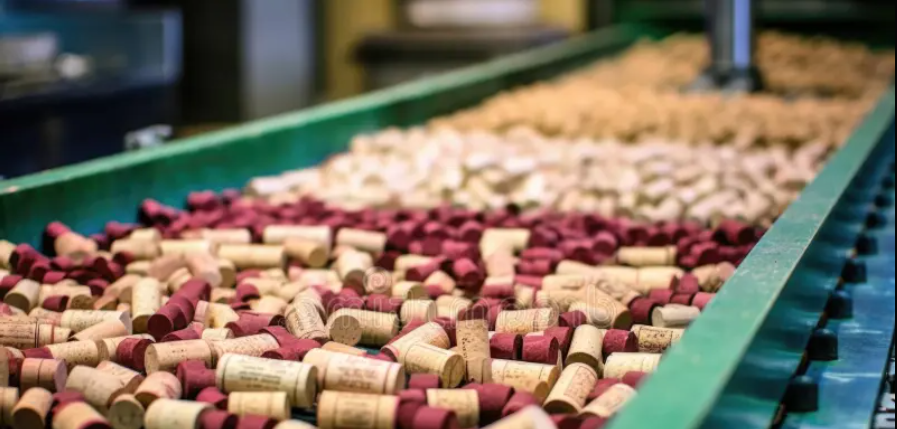
Portugal Manufactured Cork Parts Quality Check Service
Alentejo Region – The Heart of Cork Production
- Key Cities: Évora, Portalegre, Grândola, Montemor-o-Novo
- Importance:
- The Alentejo region is home to over 70% of Portugal’s cork oak forests.
- Many raw cork harvesting operations and initial processing (boiling and drying) take place here.
- Évora and Portalegre are known for traditional cork craftsmanship and industrial processing plants.
Setúbal District – Industrial Processing Hub
- Key Cities: Palmela, Montijo, Sesimbra, Azeitão
- Importance:
- Setúbal has a high concentration of cork processing and manufacturing companies.
- Home to some of Portugal’s largest cork exporters and producers of technical cork products.
- Azeitão is known for both artisanal and industrial cork production, particularly for wine stoppers and insulation materials.
Santa Maria da Feira (Aveiro District) – Center for Innovation & Technology
- Key Cities: Santa Maria da Feira, São João da Madeira, Ovar
- Importance:
- Considered Portugal’s leading hub for cork product innovation.
- Headquarters of Amorim Cork, the world’s largest cork producer.
- Specializes in high-tech cork applications, such as automotive, aerospace, and composite materials.
- Many research and development (R&D) centers for advanced cork materials are located here.
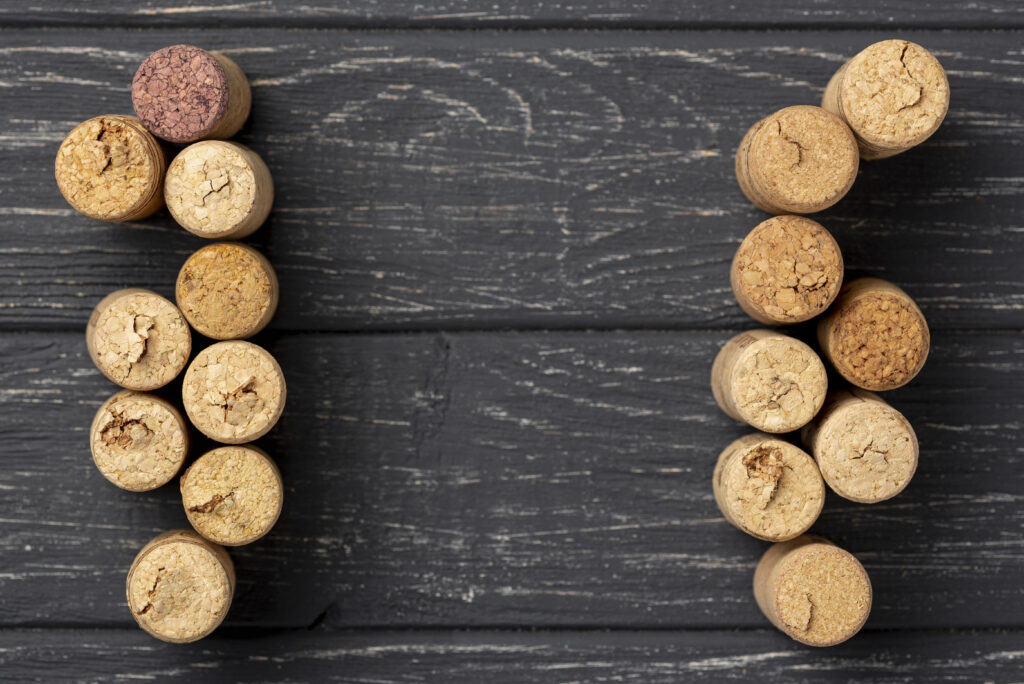
Cork Parts Quality Inspection Service
Algarve Region – Specialized Cork Processing
- Key Cities: São Brás de Alportel, Loulé, Silves
- Importance:
- Traditionally important for cork harvesting and processing.
- São Brás de Alportel hosts historic cork factories and a Cork Museum showcasing the industry’s evolution.
- Production here mainly focuses on artisanal and decorative cork products.
Lisbon Area – Headquarters & Export Centers
- Key Cities: Lisbon, Sintra, Vila Franca de Xira
- Importance:
- Lisbon is home to major cork trade organizations and export businesses.
- Sintra has some industrial cork production facilities.
- The region plays a critical role in global distribution and logistics for Portugal’s cork industry.
Portugal’s cork industry is geographically distributed based on forest resources, processing needs, and technological innovation. The Alentejo region dominates raw material production, while Santa Maria da Feira leads in high-tech cork applications. Setúbal and the Algarve focus on specialized processing and manufacturing, and Lisbon serves as a strategic business hub.
Get help with Cork Parts Quality Control
Understanding the Difference: Quality Assurance vs. Quality Control
- Quality Assurance (QA): A proactive process that focuses on preventing defects through standardized procedures, process optimizations, and compliance with regulations.
- Quality Control (QC): A reactive process involving inspection, testing, and verification of manufactured cork parts to identify and eliminate defects before products reach the customer.
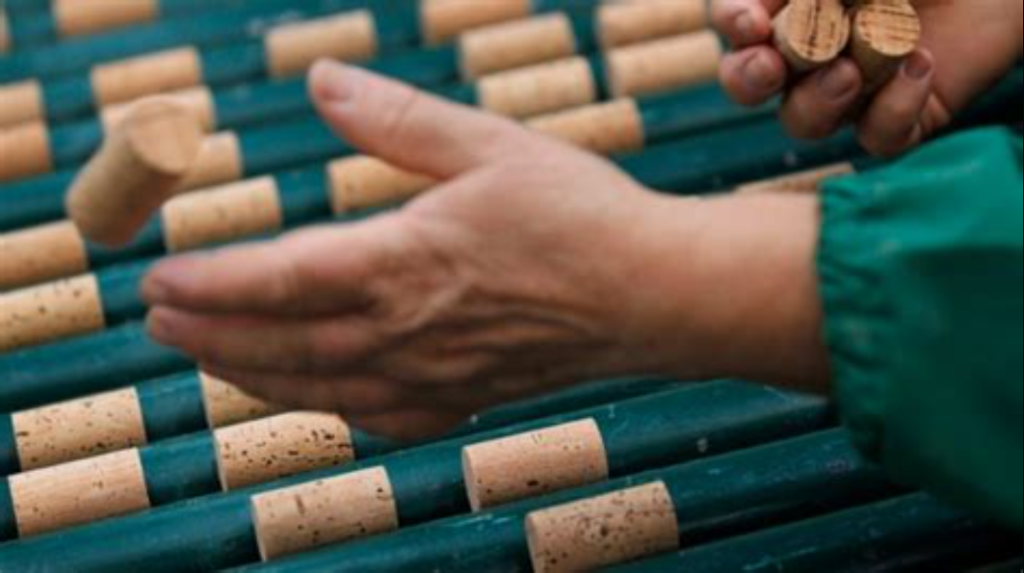
Portugal Manufactured Cork Parts Rigorous Quality Assurance
Key QA & QC Measures in Portugal’s Cork Industry
Raw Material Inspection
Quality control begins with the selection of raw cork bark, primarily sourced from Portugal’s cork oak forests. Inspections at this stage focus on:
- Moisture content (typically below 14% to prevent fungal contamination)
- Thickness and density (ensuring uniformity for consistent performance)
- Absence of defects (such as cracks, wormholes, or resin deposits)
Manufacturing Process Controls
Cork undergoes multiple processing stages, including boiling, granulation, molding, and cutting. QA measures ensure:
- Boiling process optimization to remove impurities and increase elasticity
- Granule size consistency for agglomerated cork products
- Adhesive and resin compliance with REACH (Registration, Evaluation, Authorisation, and Restriction of Chemicals) regulations
- Temperature and pressure monitoring during molding for uniform density and strength
Dimensional Accuracy and Surface Quality Checks
Manufactured cork parts, whether for gaskets, flooring, or bottle stoppers, must meet precise tolerances. QC inspections include:
- Dimensional measurements using calipers and laser scanners
- Surface texture analysis to detect imperfections or roughness
- Compression and elasticity testing for functional performance
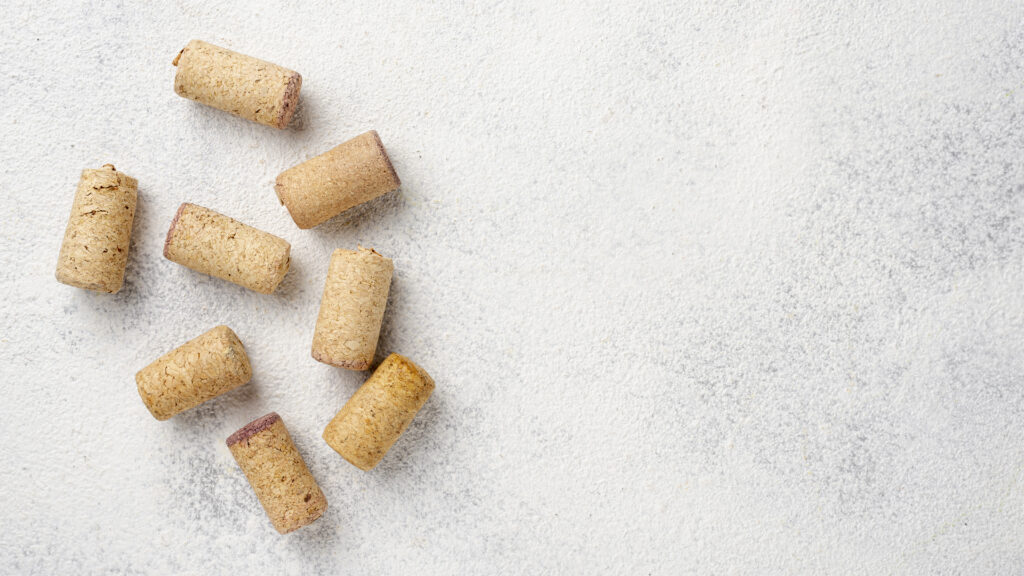
Reliable Manufactured Cork Parts Quality Testing Service
Physical and Mechanical Testing
Quality control laboratories in Portugal perform a range of standardized tests, including:
- Density and porosity tests (ISO 7322 for cork materials)
- Tensile and compressive strength analysis (ISO 633 for industrial cork)
- Thermal and acoustic insulation properties for construction applications
- Chemical resistance testing for cork used in automotive or aerospace industries
Compliance with International Certifications
Portuguese cork manufacturers adhere to multiple international certifications, including:
- ISO 9001 – Quality Management System
- FSC® Certification – Sustainable forestry practices
- Cork Quality Council (CQC) Standards – Especially for wine cork production
- REACH & RoHS Compliance – Ensuring low emissions of volatile organic compounds (VOCs)
Final Product Inspection & Packaging
Before shipment, final QC checks ensure that:
- Each cork part meets required dimensional and performance specifications
- Products are free from contamination or visible defects
- Packaging follows protective measures to prevent damage during transit
Get help with Cork Parts Quality Control
Challenges & Future Trends in Cork Quality Assurance
Despite Portugal’s leadership in cork production, the industry faces challenges such as:
- Climate change impacts on cork oak forests affecting raw material quality
- Counterfeit cork products in international markets
- Sustainability pressures driving innovation in biodegradable cork composites
Emerging trends include:
- AI-driven quality inspections using machine vision for defect detection
- Blockchain for traceability of cork supply chains
- Advanced material testing for high-performance industrial applications
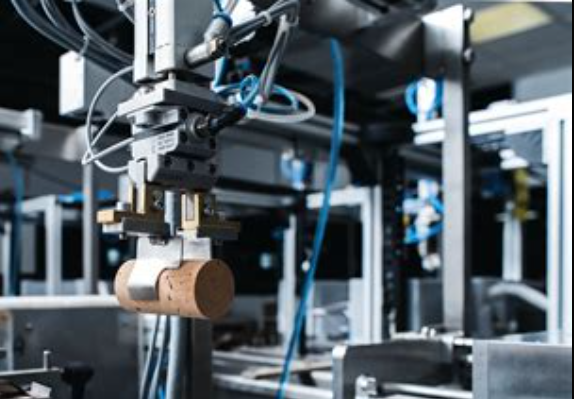
Portugal Manufactured Cork Parts Advanced Quality Checking Service
Portugal’s cork industry maintains high-quality standards through rigorous QA & QC measures, ensuring compliance with international regulations and industry-specific requirements. Manufacturers implement strict process controls, material testing, and sustainability certifications to maintain their reputation as global leaders in cork production. Investing in advanced inspection technologies and sustainable practices will be key to the future of quality management in Portugal’s cork manufacturing sector.
Related Blog Posts


GET READY TO SECURE YOUR SUPPLY CHAIN
Get valuable advices, tips, recommendations from our quality management experts and inspection specialists
CONTACT US NOW ! Feel the form below.
