
The Rise of Portugal as a Manufacturing Hub: Key Industries and Their Growth
Portugal has emerged as a competitive manufacturing hub in Europe, attracting global businesses across various industries. With its skilled workforce, strategic location, and commitment to innovation, Portugal has positioned itself as a key player in sectors such as textiles, automotive, electronics, and pharmaceuticals. The country’s focus on quality control and compliance with international standards further strengthens its appeal to foreign investors and exporters.
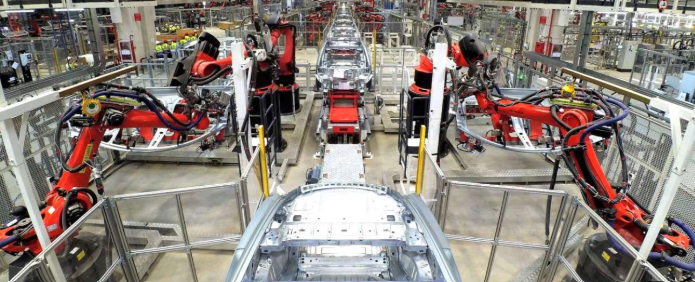
Automotive Industries Quality Control Inspection
This article explores Portugal’s major manufacturing industries, the factors driving its industrial growth, and the importance of quality assurance (QA) and quality control (QC) in maintaining global competitiveness.
Types of Manufacturing Industries in Portugal:
Automotive & Aerospace Manufacturing
- Automotive Components – Engines, transmissions, braking systems, and vehicle electronics.
- Electric Vehicles (EVs) & Batteries – Battery packs, charging infrastructure, and EV components.
- Aircraft Structural Parts – Fuselage panels, wing components, and landing gear systems.
- Aerospace Composites – Carbon fiber panels, lightweight materials, and 3D-printed parts.
Textile & Footwear Manufacturing
- Apparel & Fashion – High-quality fabrics, sportswear, and luxury fashion items.
- Technical Textiles – Fire-resistant, waterproof, and medical-grade textiles.
- Leather Goods & Footwear – Handmade leather shoes, bags, and accessories.
- Sustainable & Eco-Friendly Textiles – Organic cotton, recycled fibers, and biodegradable materials.
Electronics & Technology Manufacturing
- Consumer Electronics – Smartphones, tablets, smart home devices, and wearable tech.
- Semiconductors & PCBs – Microprocessors, circuit boards, and electronic components.
- Telecommunications Equipment – 5G infrastructure, fiber optics, and wireless devices.
- Industrial Automation & Robotics – AI-powered robotics and automated production systems.
Plastic & Mold Manufacturing
- Injection Molding – Automotive parts, packaging, and consumer goods.
- Blow Molding – PET bottles, industrial containers, and medical packaging.
- Thermoforming – Food trays, industrial covers, and custom plastic components.
- High-Precision Tooling – Molds for automotive, aerospace, and electronics industries.
Pharmaceutical & Medical Device Manufacturing
- Biotechnology & Pharmaceuticals – R&D in medicines, vaccines, and health supplements.
- Medical Equipment & Devices – Diagnostic imaging, wearable health tech, and lab equipment.
- Healthcare Consumables – Syringes, IV components, and medical-grade plastics.
- Orthopedic & Prosthetic Manufacturing – High-tech implants and rehabilitation devices.
Major Manufacturing Industries in Portugal
Portugal’s manufacturing sector is diverse, covering a wide range of industries that contribute significantly to exports and economic growth.
Textile and Apparel Industry
Portugal is renowned for high-quality textiles and apparel, especially in premium, sustainable, and technical fabrics. Key product categories include:
- Fashion and ready-to-wear garments (T-shirts, suits, knitwear)
- Technical textiles (sportswear, workwear, automotive textiles)
- Sustainable fabrics (organic cotton, recycled materials, biodegradable textiles)

Industries Quality Control Inspection Service
Automotive Manufacturing
Portugal has a strong presence in the automotive industry, with major manufacturers and suppliers producing:
- Passenger and commercial vehicles
- Automotive components (seats, electrical systems, batteries)
- Electric and hybrid vehicle technologies
Electronics and Electrical Equipment
The electronics sector is growing rapidly, driven by demand for:
- Consumer electronics (home appliances, smart devices)
- Industrial automation equipment
- Renewable energy components (solar panels, wind energy systems)
Pharmaceutical and Medical Device Industry
Portugal is a key player in pharmaceuticals and medical technology, specializing in:
- Generic and branded medicines
- Biotechnology and research-based pharmaceuticals
- Medical devices and healthcare equipment
Why Companies Are Choosing Portugal for Manufacturing
Several factors make Portugal an attractive destination for global manufacturers:

Pharmaceutical Industries Quality Control Inspection
- Skilled Workforce: Portugal offers a highly skilled labor force, particularly in engineering, design, and production.
- Strategic Location: With access to European, African, and American markets, Portugal serves as a gateway for international trade.
- Innovation & Technology: The government supports R&D initiatives, driving innovation in key industries.
- Sustainability Commitment: Portugal promotes environmentally friendly manufacturing practices, aligning with global green production trends.
- Competitive Costs: While offering high quality, Portugal maintains competitive labor and operational costs compared to other Western European countries.
Quality Control and Assurance in Portuguese Manufacturing
Ensuring product quality is crucial for Portugal’s reputation in global markets. Companies implement rigorous QA and QC measures to maintain compliance with international standards.
Quality Control in Manufacturing
QC focuses on detecting defects and ensuring products meet specifications before shipment. Key QC measures include:
- In-Process Inspections: Monitoring production stages to detect early defects.
- Final Product Testing: Verifying product durability, safety, and compliance.
- Batch Sampling & Statistical Analysis: Using random sampling to assess quality consistency.
- Regulatory Compliance Checks: Ensuring adherence to EU and international product safety norms.

Textile Industries Quality Control Inspection
Quality Assurance Practices
QA emphasizes preventive measures to ensure long-term quality consistency, including:
- Supplier Audits: Evaluating material sources and factory conditions.
- ISO & Industry Certifications: Many Portuguese manufacturers hold ISO 9001, ISO 14001, and industry-specific certifications.
- Process Standardization: Implementing lean manufacturing and Six Sigma methodologies.
The Role of Independent Inspection Services
Independent inspection services help businesses mitigate risks and ensure compliance before exporting goods. Key advantages include:
- Unbiased Product Evaluation: Third-party inspectors provide objective assessments.
- Cost Reduction: Early defect detection reduces recalls and waste.
- Regulatory Compliance Assurance: Experts verify conformity with global market standards.
- Faster Market Entry: Quality-certified products face fewer trade barriers.
Common Quality Issues and Prevention Strategies
- Textile Defects: Poor stitching, fabric inconsistencies (Prevented through inline inspections and lab testing)
- Automotive Component Failures: Electrical malfunctions, faulty assemblies (Addressed with rigorous functional testing)
- Electronics Malfunctions: Short circuits, software issues (Prevented via pre-shipment and reliability testing)
- Pharmaceutical Compliance Gaps: Incorrect labeling, ingredient inconsistencies (Ensured with strict GMP audits)
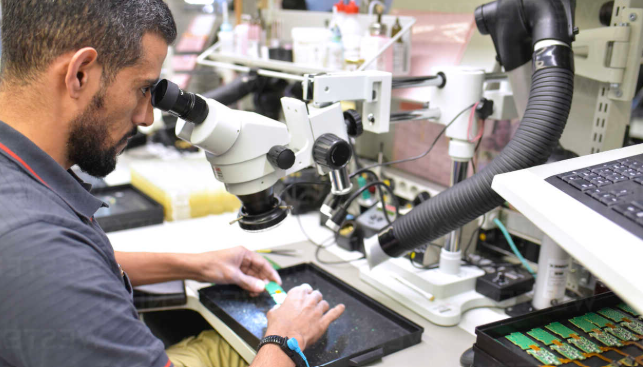
Electronic Industries Quality Control Inspection
Choosing a Reliable Inspection Provider in Portugal
Selecting the right quality control partner is essential. When evaluating an inspection provider, consider:
- Accreditation & Expertise: Ensure they hold ISO certifications and industry-specific knowledge.
- Local & International Experience: Providers familiar with Portugal’s manufacturing sectors and export regulations are preferable.
- Service Range: Look for comprehensive offerings, including factory audits, lab testing, and pre-shipment inspections.
- Reputation & Client Reviews: Established providers with positive feedback ensure reliability.
Portugal’s manufacturing industry continues to grow, driven by expertise in textiles, automotive, electronics, and pharmaceuticals. The country’s commitment to quality assurance and control ensures compliance with global standards, making it a preferred destination for international businesses.
Independent inspection services play a vital role in safeguarding product quality and market competitiveness. By partnering with reliable quality control providers, manufacturers can minimize risks, enhance efficiency, and successfully expand into global markets.
Contact us for consultation on Quality Control and Assurance in Portugal!
Related Blog Posts







GET READY TO SECURE YOUR SUPPLY CHAIN
Get valuable advices, tips, recommendations from our quality management experts and inspection specialists
CONTACT US NOW ! Feel the form below.
